
CRAFTED STORIES · WHYN Launch Campaign
How we built a luxury raffle system that generated 1.75M organic views

The Brief
WHYN is a London platform that raffles ultra-luxury objects — Rolex watches, Hermès bags — through transparent probability.
Not purchase power. Participation power.
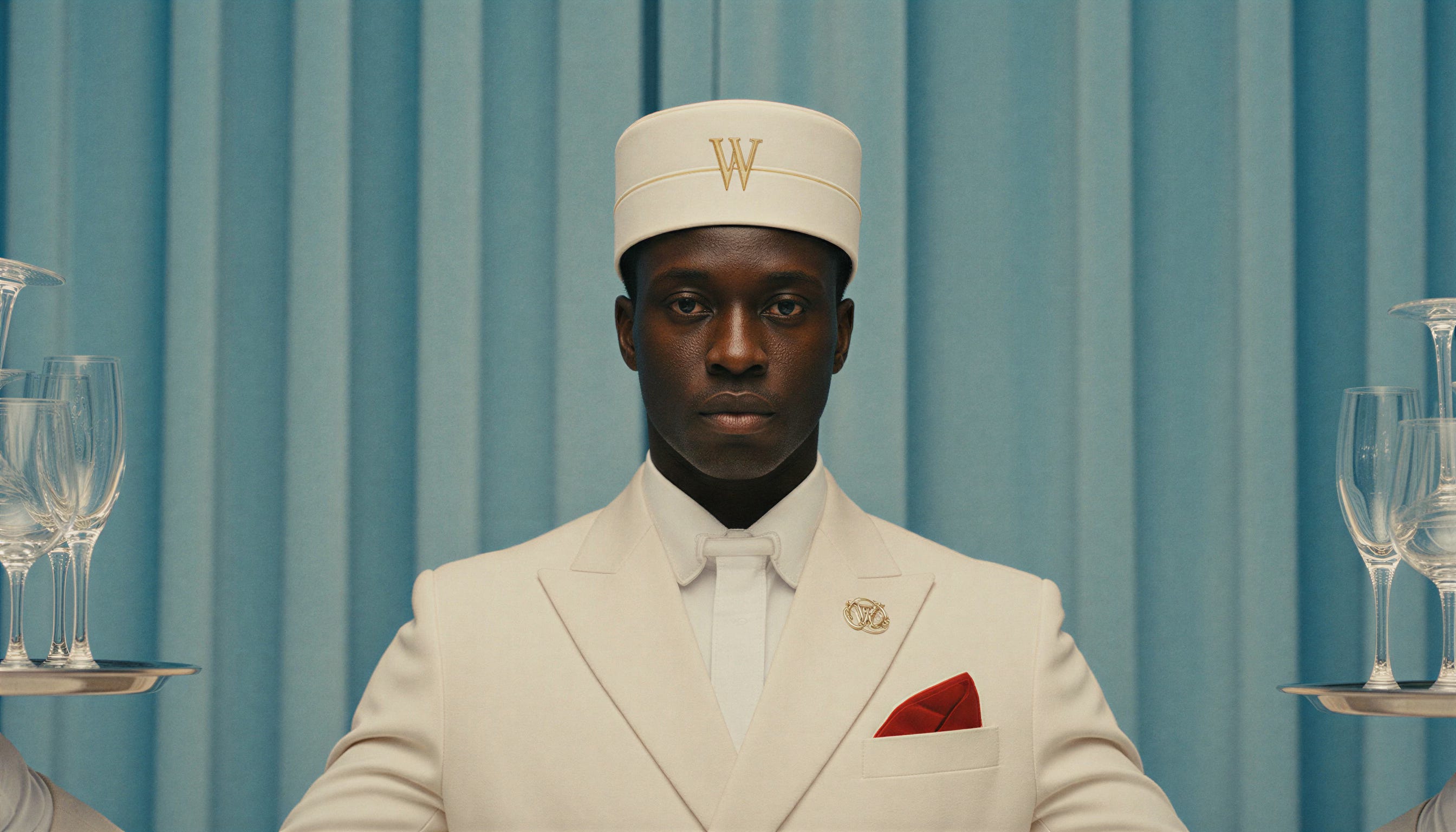
The brand concept: a fictional hotel where guests check in, play, and one enters Room 99.
Our task: launch the platform with clarity, distinction, and tone. Make the system both understandable and desirable for a digital-native audience historically excluded from luxury access.
The central tension: how do you give chance the weight of a luxury experience?
The System: Hotel as Interface
Hotels already operate through ritual—check-in, service, access, hierarchy. A natural system for staging anticipation, selection, reward.
We made the hotel literal. Not metaphor—infrastructure.
Every element followed hotel logic: signage, uniforms, printed matter, corridors, thresholds, rooms, gestures, object handling.
Core reference: The Grand Budapest Hotel—not for aesthetic, but for internal coherence. A world where every element operates under shared rules.
Research Process
Guiding question: How far can a fictional system extend before it feels real?
Answer: Through control. Defined rules that limit as much as they enable.
Consistency became more important than novelty. Repetition became a tool, not a constraint.
Moodboard as Infrastructure
We didn’t collect images for inspiration. We defined conditions:
How materials behave
How light interacts with surfaces
How objects are placed, handled, perceived
Each reference became a rule. The shift: from aesthetic alignment to worldbuilding logic. Coherence through consistency of behavior, not similarity of look.
The Central Idea
Tension: Luxury versus play.
Resolution: Structure. Every game element was elevated and treated as a luxury object.
A die became an artifact
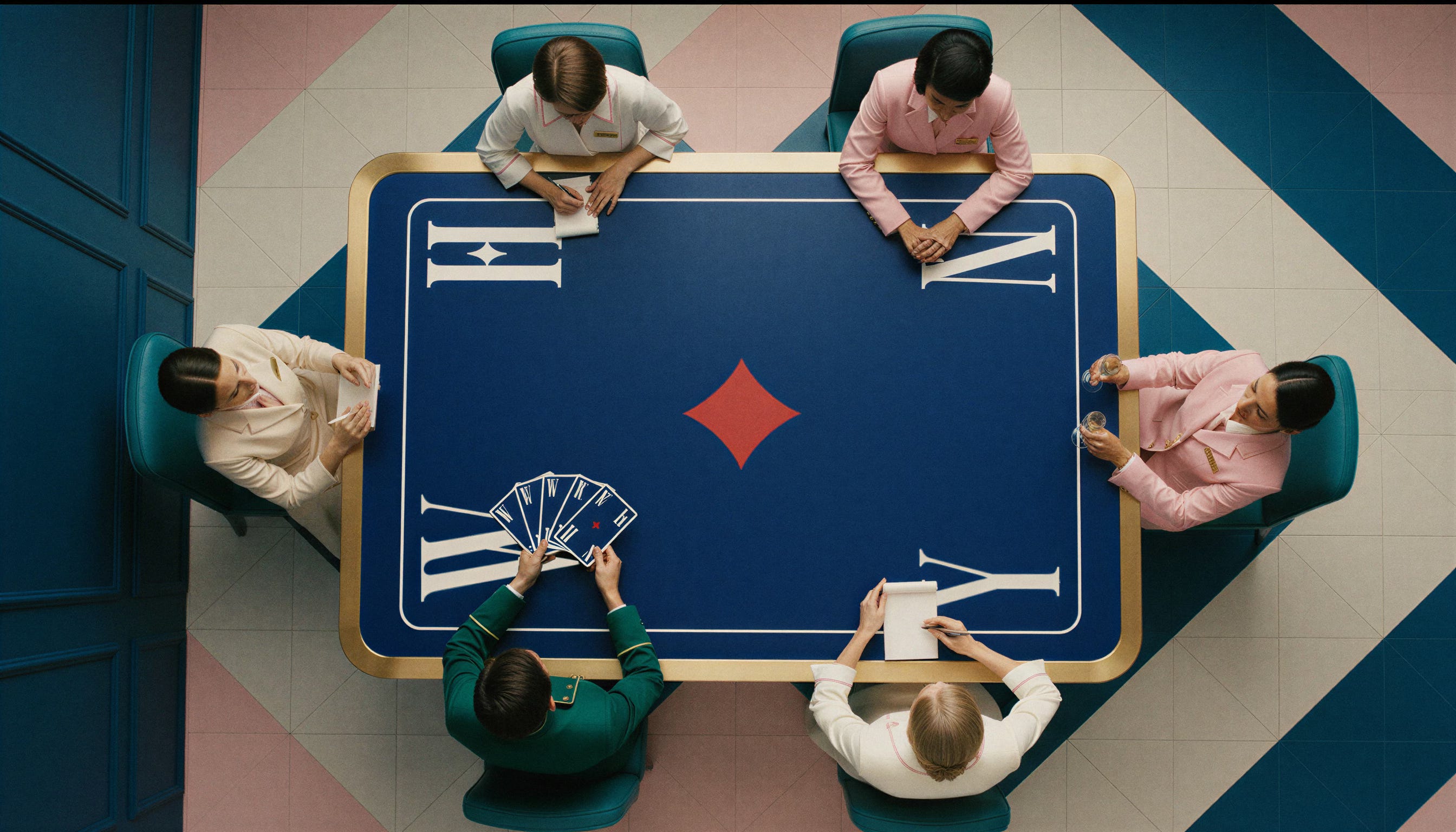
A card became a brand asset
A tray became a stage
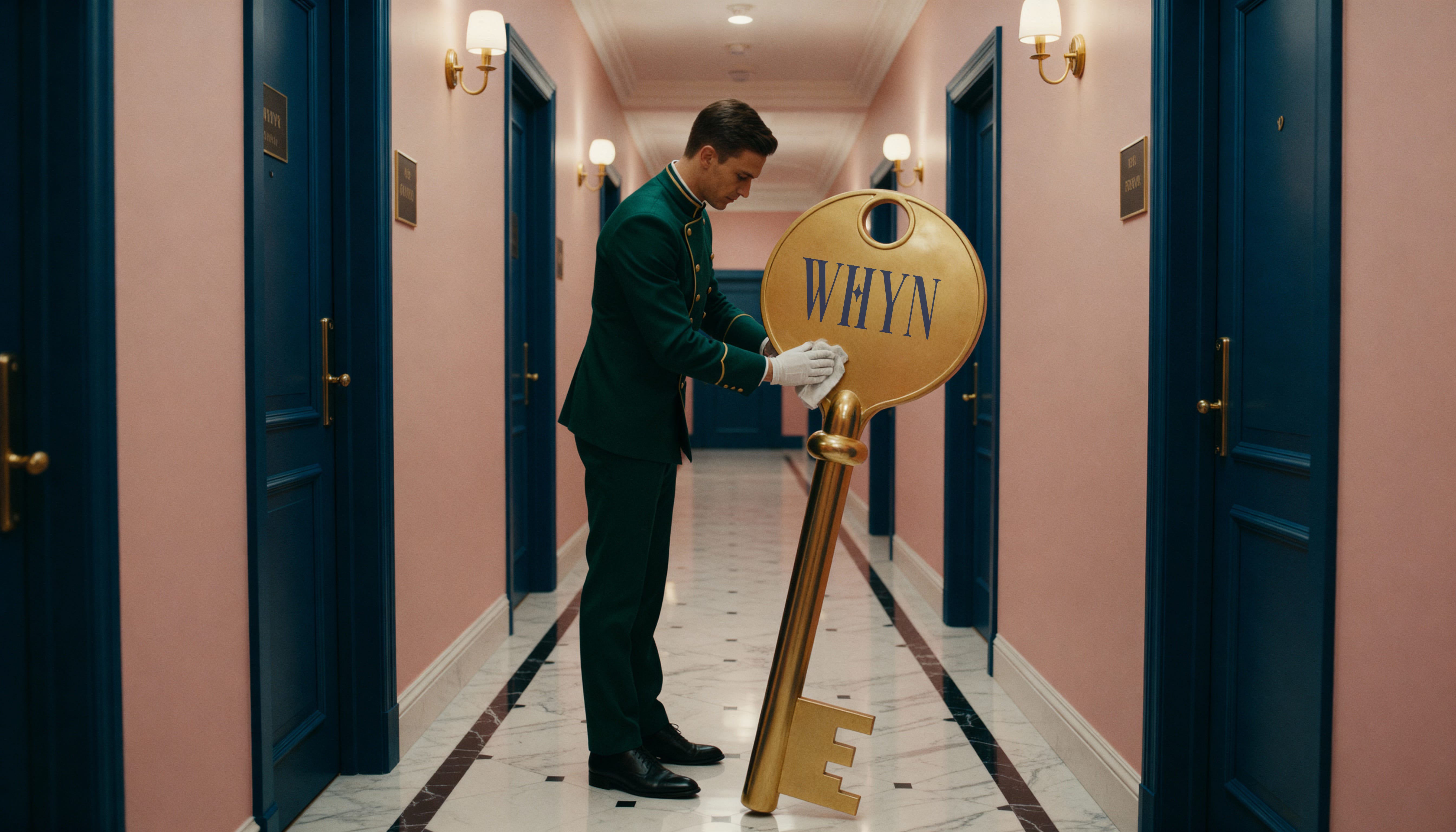
A key didn’t illustrate access—it performed it

Play remained embedded in what the object is. Luxury emerged in how it’s seen, framed, handled.
This removed the need to choose. The system held both because they were never separated.
Visual System
Not rules for how things look—rules for how they behave.
Core principles:
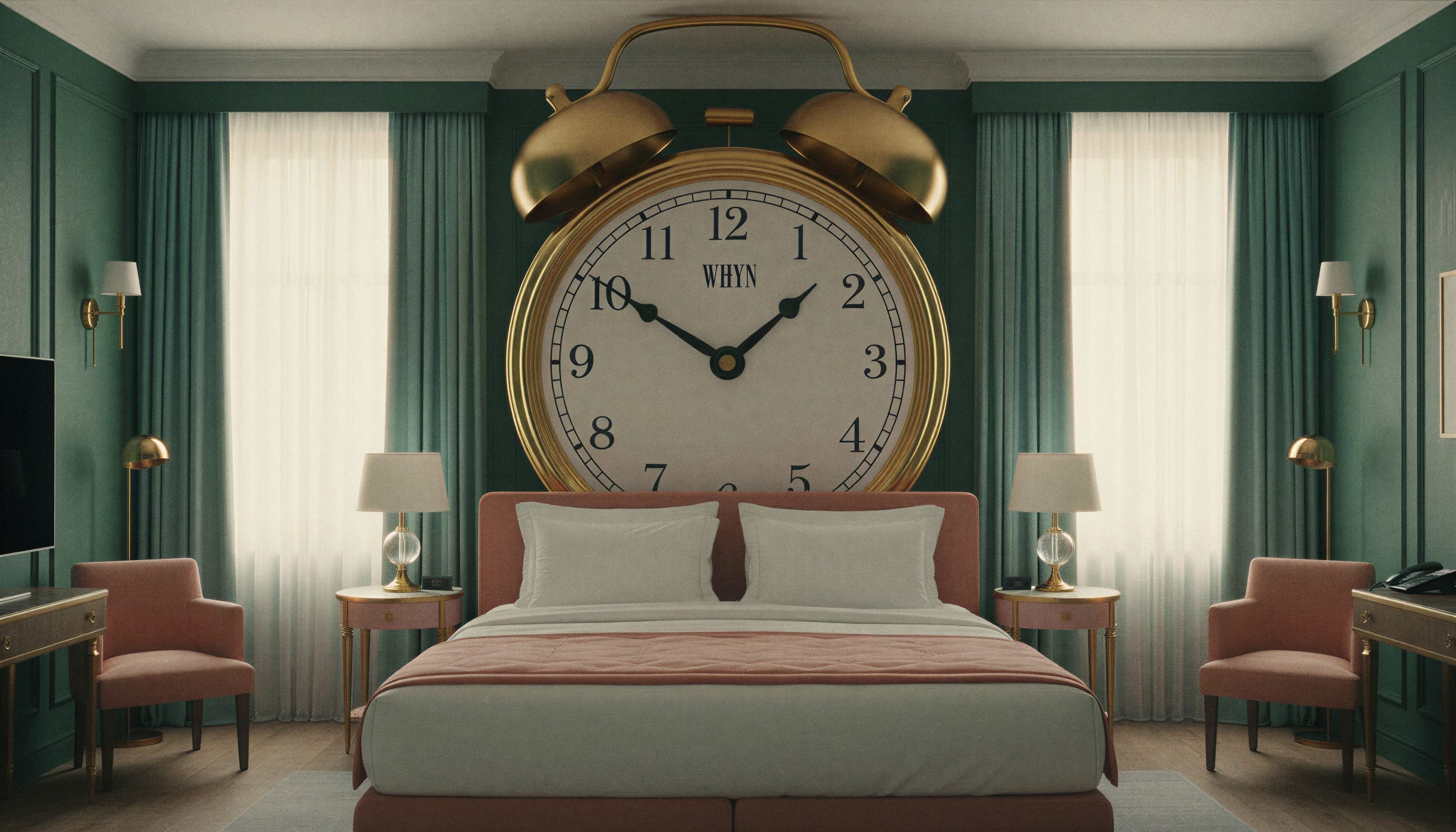
Scale as narrative device — shifting perception and importance
Objects carry meaning, not just function
Gestures over characters — subtle actions replace explicit storytelling
Typography embedded in materiality, not applied
Materiality is critical — surfaces feel handled, not designed. Objects need weight, friction, presence you can sense through a screen
Narrative Structure
One system. Three films.
Film 1: Introduces the system, establishes rules
Film 2: Brings presence and emotion
Film 3: Expands and reinforces coherence
Across all three:
Pacing stayed controlled
Attention stayed on materiality
Symbols carried continuity
Sound as structure: Not decoration—regulation. It measured rhythm, controlled tension, aligned with the visual system.
Editing logic: Clarity over excess. Every cut preserved the system.
Production Approach
AI-native workflow where research, concept, previsualization, and asset generation weren’t separate stages—they were parts of the same evolving environment.
Process: Recursive, not linear. Each iteration informed the next. Focus shifted from crafting individual images to ensuring consistency across the entire world.
Key Assets Explored Through Variation
Luxury products as narrative anchors:
Hermès Birkin atop luggage stack—embodying manifesto while promoting raffled goods
Cards as ritual objects:
Defined by geometry, repetition, gesture
Uniforms:
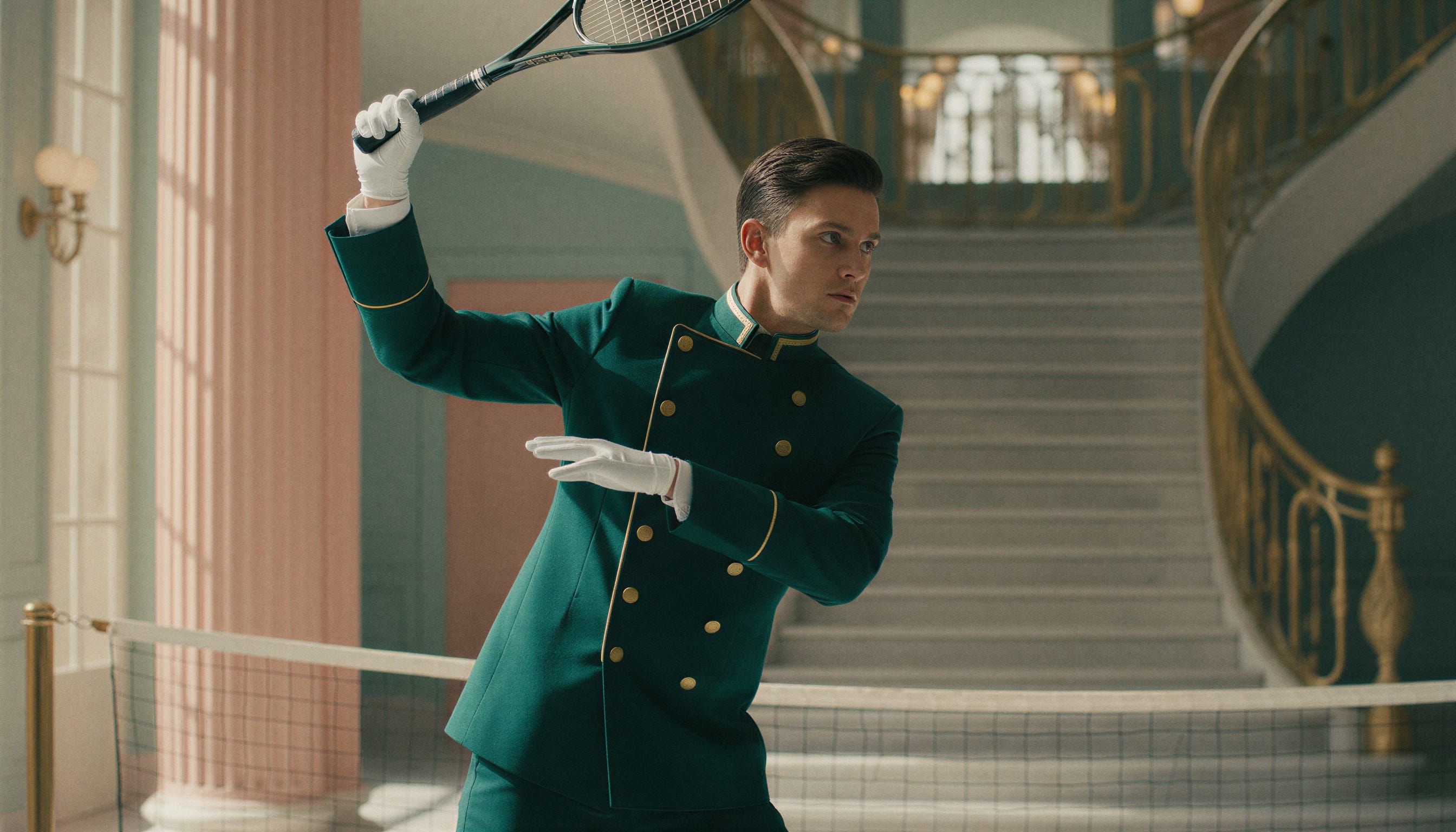
Carried brand identity through subtle integration
Keys:
Developed across multiple scales—handheld to architectural
Environmental details:
Doors, carpets, signage reinforced structure at every level
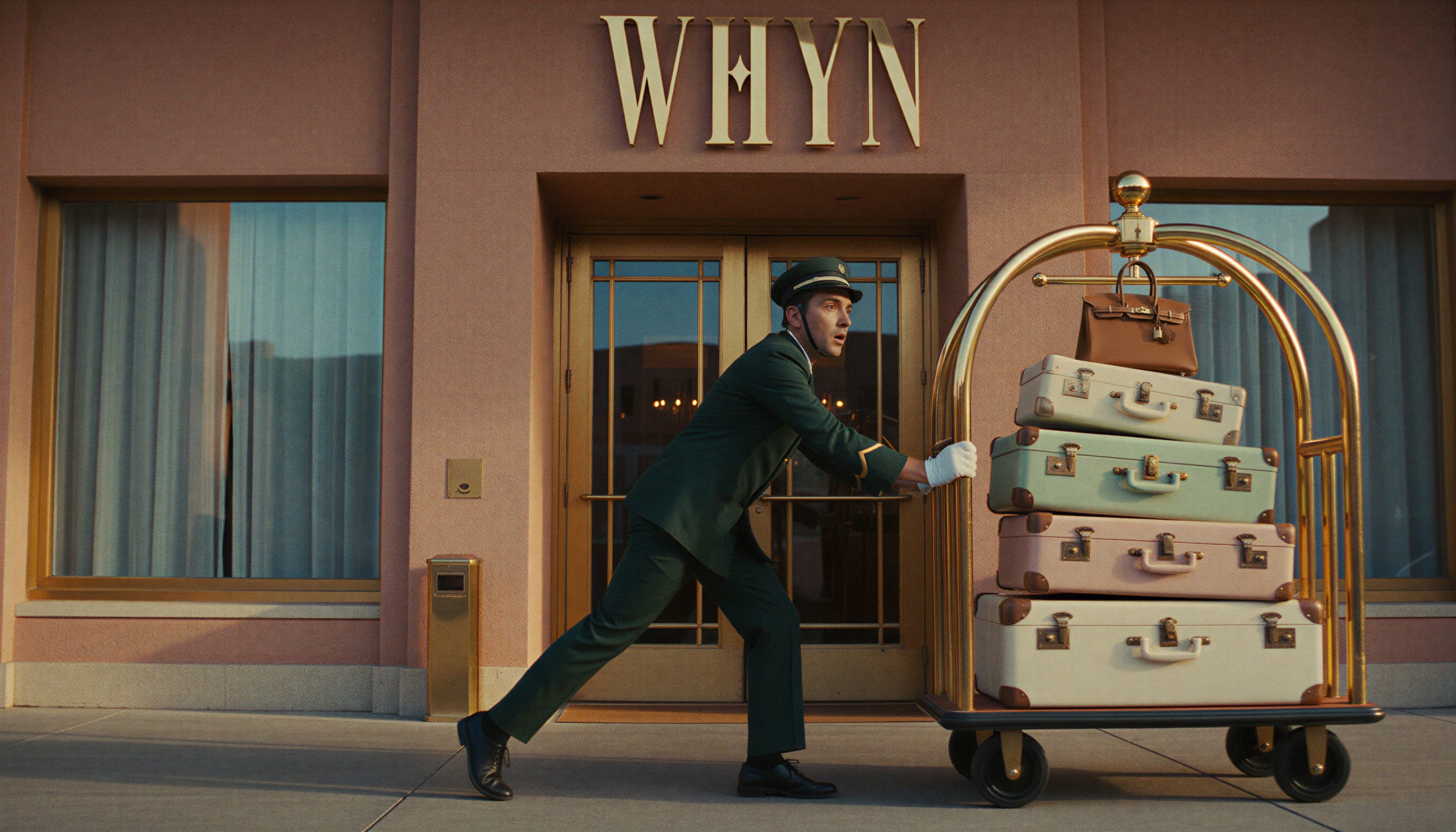
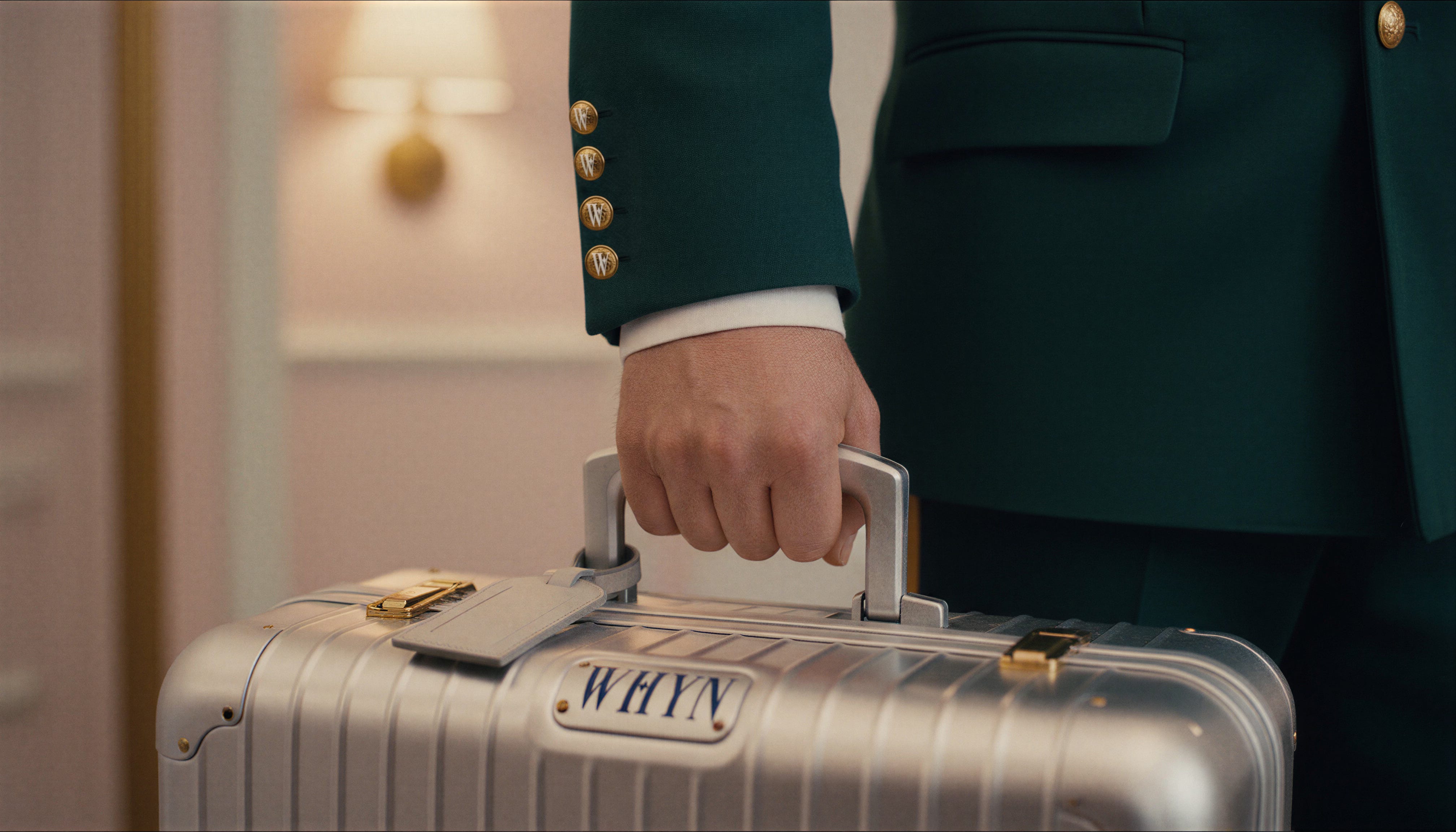
Consistency was the objective—never at the expense of depth.
Everything belonged to the same world without repeating itself.
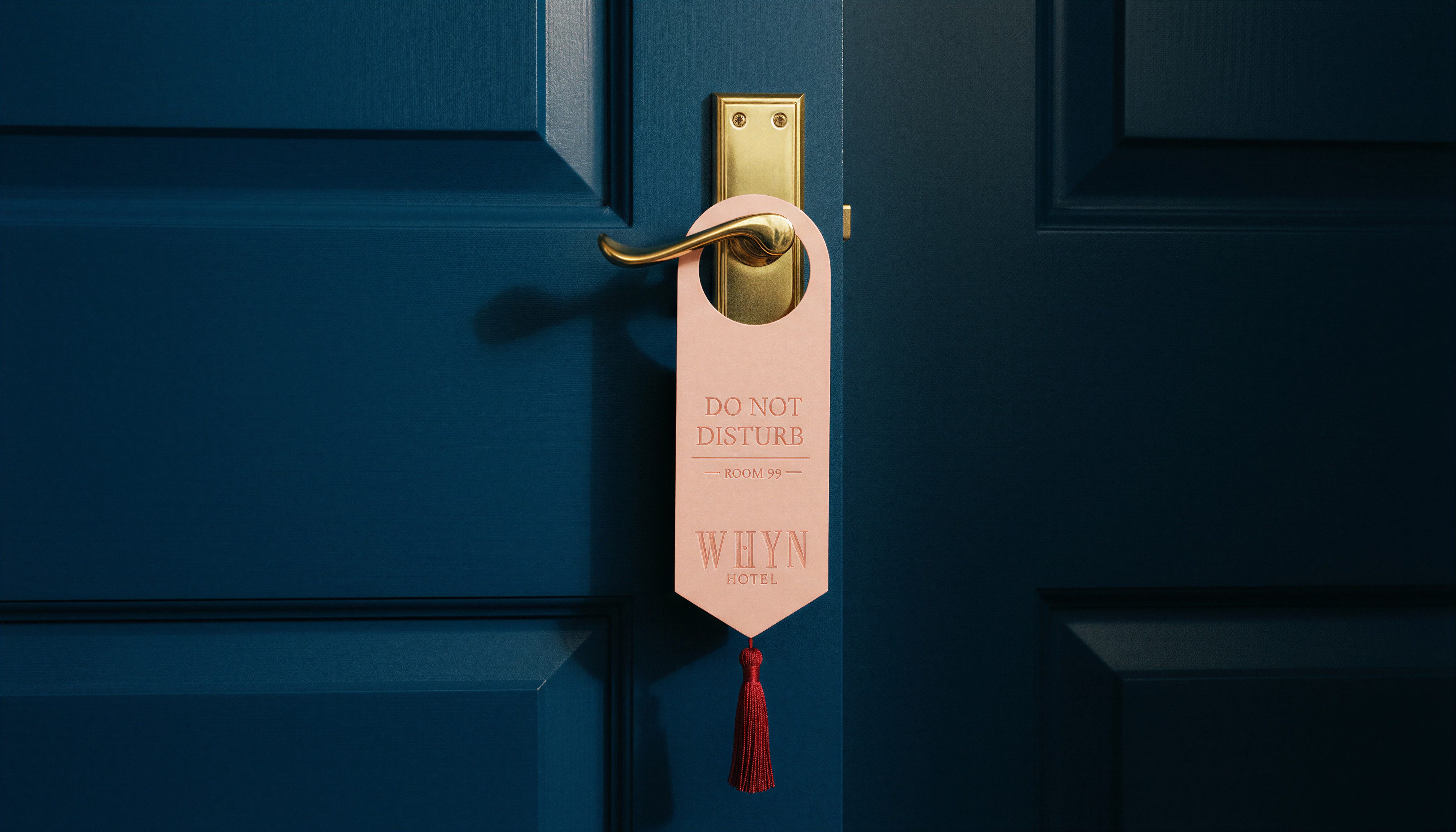
Deliverables
Three short-form films (15–30 seconds) + still images for campaign and social.
But the achievement wasn’t visual—it was structural.
Not a collection of assets. A structure where each piece existed as part of wider logic. Meaning came from relationships, not isolated outputs.
Design outcome: Luxury and play didn’t dilute each other—they became inseparable. All elements could be recombined, allowing new content to emerge without breaking coherence.
The hotel became an expandable system.
Results & What We Learned
Designed for social-first distribution. Behaved like a new world.
TikTok performance:
4 posts = 1.75M views
First film: 200K+ views in 48 hours
Zero paid media
What this revealed:
When a system is coherent, it becomes legible. Viewers don’t need explanations. They recognize patterns—objects, gestures, sequences—and intuitively understand how the world operates.
The campaign became for the 99%. Not the 1%.
It framed chance through ritual and structure, transforming probability into something experienced rather than understood.
Luxury remained structured but was no longer defined by traditional ownership or exclusivity.
We didn’t communicate a product. We built a place.
Somewhere you enter rather than consume. Observe rather than decode. Return to because it continues to unfold.
When a world is well built, it generates its own momentum.