
THE CURATED LOG XXIV
By MITO Universe - @mito.universe

Welcome back to MITO Universe.
This week’s log affirms that true future-literate luxury is predicated on control, not scale. Black Forest Labs introduced FLUX.2, raising the threshold for image photorealism and asset consistency with 4MP output and multi-reference capability. Concurrently, an AI-driven VR opera in Seoul redefined the theatrical edge by centering the audience’s gaze in the narrative, while Disney detailed an AI integration that strictly supports the human animator’s creative input.
These are the volumes our featured creators must navigate. Their practices, whether defining the couture-grade drape of a self-possessed figure, curating the photoreal tactility of a kinetic architectural object, or finding the quietude within a video’s déjà rêvé haze, collectively assert that the system’s clarity must always be subject to human intention. The architectural edge remains where the artist demands nuance.
SELECTED CREATORS
Melissa Diago | @onismmn
Melissa Diago’s practice operates at the threshold where the body refuses docility; where drag’s theatrical armature meets latent-space negotiation. Here, gradient skies flatten into studio ground, defiance incarnate against atmospheres that shift from cerulean to ochre with the logic of memory rather than meteorology. Ink sprawls across skin: a lexicon authored before the model, persisting through every synthetic iteration. The gaze is frontal, unapologetic; less performance than territorial claim.


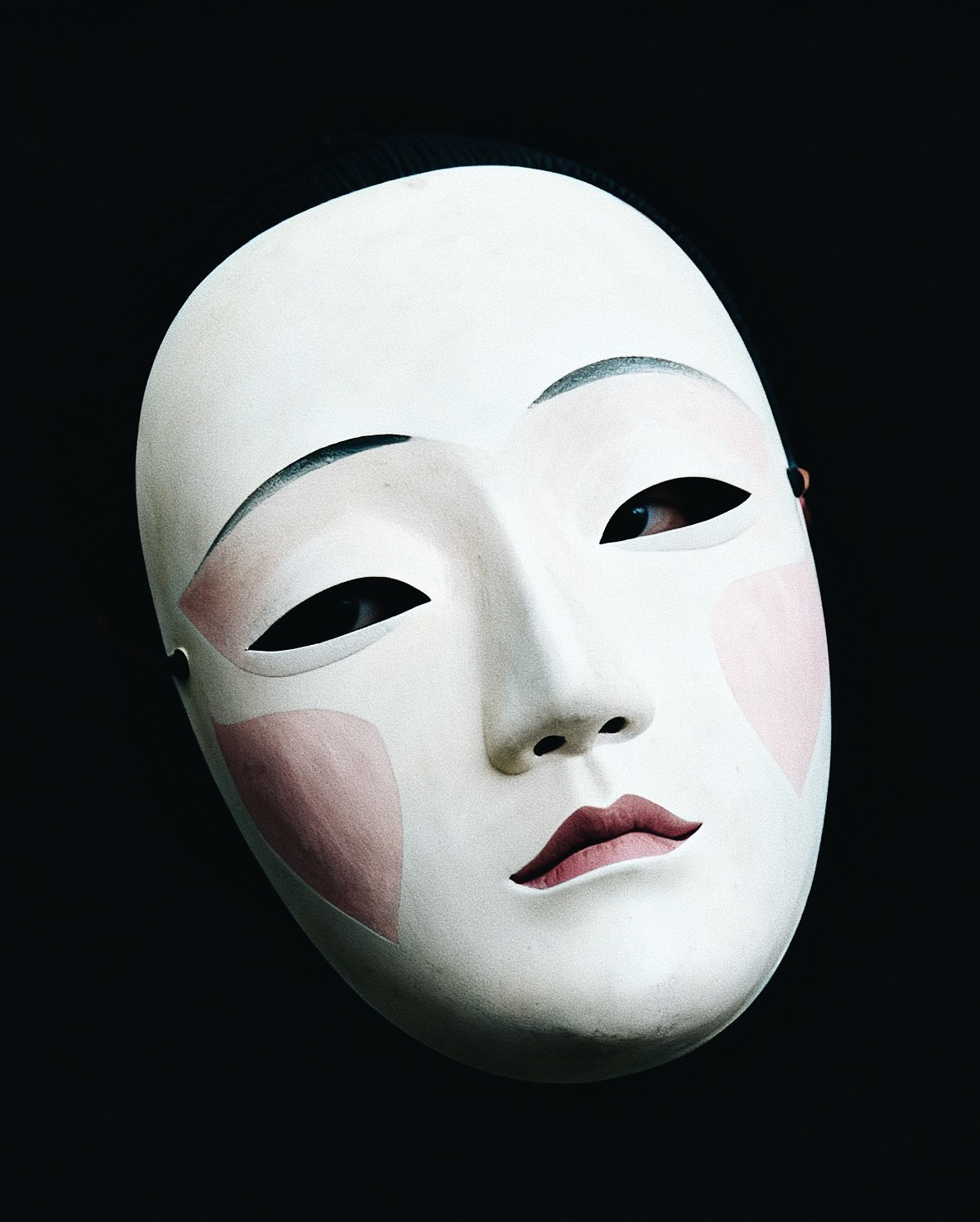
What distinguishes this work is its command of surface. Reflective floors bend into liquid chrome ribbons, yet tactility remains legible: the wet gloss of latex, the matte drag of cigarette paper, nails filed into calcified weapons. Background grain operates didactically, a chosen texture rather than artifact, framing each figure within a haze reminiscent of analog fashion editorials shot through gauze.


As Visual Arts AI Production Lead at Freepik and co-founder of Maison, Melissa architects pipelines that honor portraiture’s classical contract; subject as collaborator, not dataset; while teaching generative methods at Madrid’s Mioti Institute. Her technique layers Midjourney prompts with precise ControlNet guidance for pose retention, then post-processes in Photoshop to restore skin’s microtonal variance where algorithms flatten. The result: couture-grade control married to the uncanny, each frame asserting that hybrid authorship need not dissolve selfhood but can amplify it, turning latent space into stage.
An Improbable Future | @an_improbable_future
An Improbable Future orchestrates a profound conversation between temporalities, designing vehicles that are less transit objects and more kinetic architectural volumes. Their work operates at the threshold of familiarity, deploying a hyper-real tactility; the gleam on metal, the precise grain of an asphalt surface; that anchors the conceptual in a vivid present. The formal structure favors a controlled, almost museological lighting, where negative space functions as a didactic element, framing the object’s self-possession.
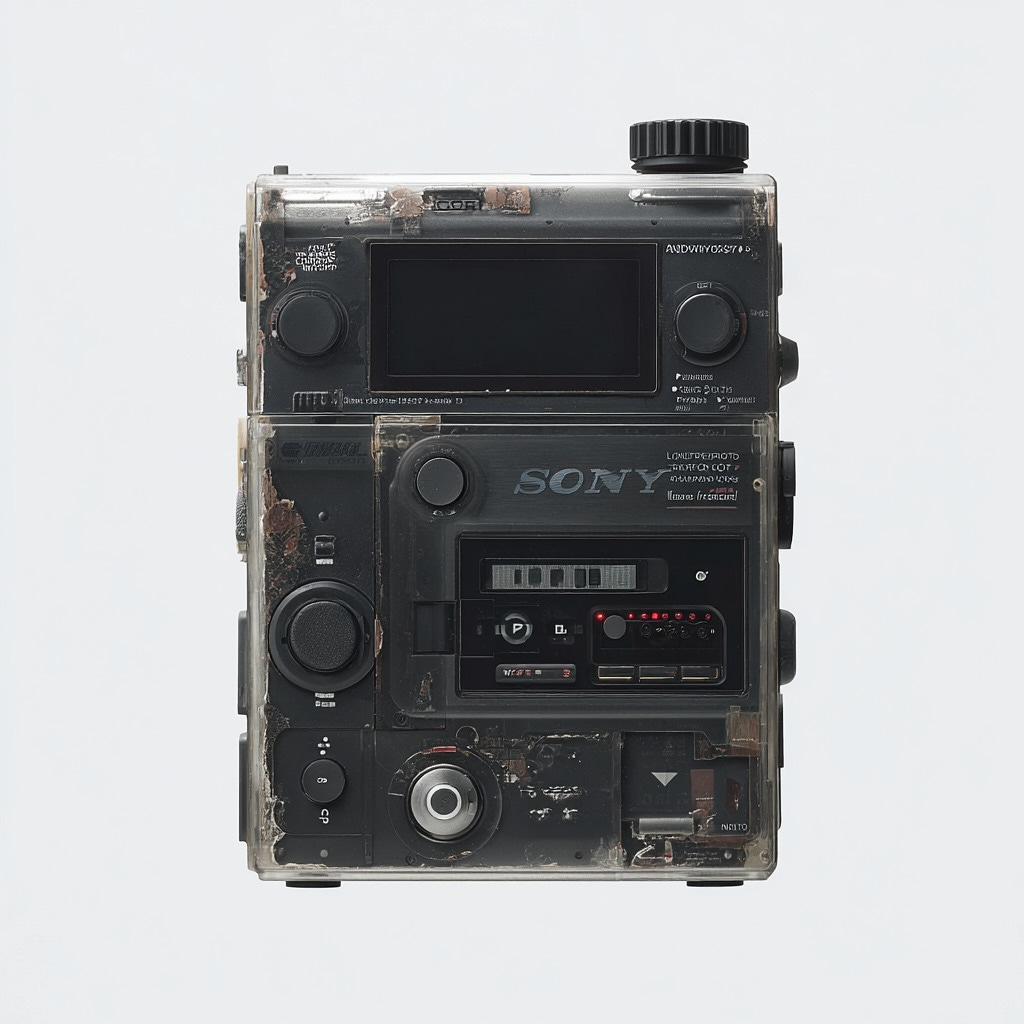


These conceptual vehicles possess a couture-grade surface quality, their sleek lines suggesting a future heritage. The cinematic gaze continuity is maintained through consistent, clean environmental staging, allowing the nuanced dialogue between the “past-inspired” and the “near-future” to resonate with calibrated intimacy.
The studio’s approach is defined by the rigorous curation of generative latent space. Functioning as a speculative design house, An Improbable Future employs AI to produce foundational concepts for industrial and transportation design, focusing on form, texture, and implied function.
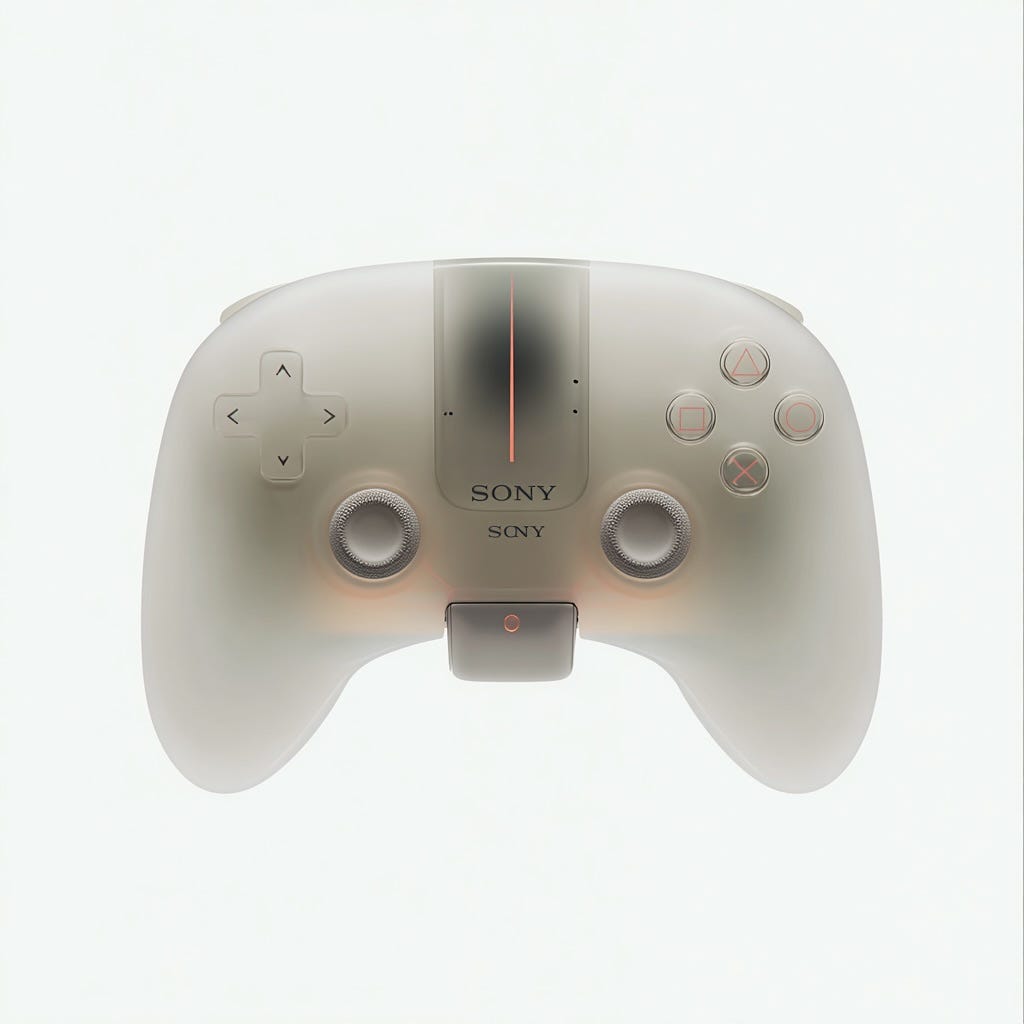
The human-centric process dictates the final output, translating the raw generative data into polished, near-photorealistic renders. This methodology transforms the AI from a mere tool into a design partner, with the creator acting as the discerning editor, filtering the “improbable” suggestions into a highly intentional, future-literate luxury aesthetic. This demonstrates a mastery over the pipeline, ensuring that all materiality accrues meaning.
WHAT’S NEW
FLUX.2: The Latent Space Achieves Couture-Grade Consistency
Black Forest Labs has defined a new production threshold with the release of FLUX.2. This model advances beyond mere spectacle, emphasizing photoreal tactility and architectural control. Its 4-megapixel output secures a new fidelity standard, while the capacity for up to ten consistent reference images instills a self-possession previously unattainable across an entire campaign’s visual rhythm. Crucially, the unified workflow and precise pose guidance transform latent space into a system of clarity, moving generative systems firmly into the realm of controlled, high-end commerce and material culture.
Seoul’s AI Opera: Auditory Volumes Define the New Theatrical Edge
The interdisciplinary collective FUTUREDAYS re-engineers performance at Seoul’s PIBI Gallery with A Place Called You, an ‘AI opera.’ This installation posits AI not as a mirror, but as the central, self-possessed performer within a VR environment (Meta Quest 3). The focus is an immersive auditory architecture, where binaural spatial audio and generative voices structure an emotional flow. The audience crosses a new sensory threshold, their gesture and gaze recognition data calibrating the narrative. It is a quiet study in hybrid craftsmanship, trading spectacle for intimate, technological communion.
Gaze Continuity: Disney’s Intentional AI Augmentation
Disney’s backing of the startup Animaj is a decisive articulation of the human intention principle in animation. The AI engine is deployed to execute motion in-betweening, instantly providing thousands of secondary poses. This system avoids generative ‘slop’ by ceding final control to the human animator, who defines the key frames—the necessary edges and volumes. This accelerates production rhythm from months to weeks, ensuring the final visual DNA retains its distinct couture-grade drape. The technology acts as an architectural support structure, not a replacement for the primary creative vision.
KEY VISUAL
Lindsay Kokoska | @infinite_mantra
The featured video, sourced from Lindsay Kokoska’s body of work, orchestrates a déjà rêvé haze, perfectly embodying future-literate luxury. Its cinematic structure is defined by spatial rhythm; slow, deliberate morphing transitions move us through volumes of saturated color and ephemeral form.
The visual language, blending AI-generated textures with fine-art compositing, secures a photoreal tactility. Observe the didactic light, which renders spectral, velvet-like folds and cosmic dust with museum-calm exactitude. There is an intentional drape to the abstract shapes, suggesting organic decay or perhaps the slow blossoming of an inner, unscripted consciousness. The grain, rather than being noise, functions as a chosen, atmospheric texture, signifying the hybrid craft.
The piece exists at the threshold between figurative and purely abstract, forcing the gaze continuity inward. The recurring motifs of cosmic structures and cellular forms act as materials that accrue meaning, reflecting the artist’s focus on inner awareness. It is an exercise in editorial restraint, where the generative system’s power is deliberately controlled to achieve contemplative quietude, inviting reflection without demanding spectacle. This is digital couture: precisely rendered, yet utterly surrendered to the dream logic of the latent space.
That’s all for now — we’ll be back in your inbox next week.