
THE CURATED LOG XXVII
By MITO Universe - @mito.universe

Welcome back to MITO Universe.
This week’s edition arrives at a moment of acceleration. New multimodal systems promise tighter control, higher fidelity, and seamless pipelines; images that speak, videos that reason, tools that collapse distance between intention and output.
Yet running parallel to this momentum, the works featured here move in the opposite direction. They slow perception, destabilize function, and expose the gaps inside systems built for efficiency. Objects that look usable but refuse purpose. Faces that feel present but lack identity. Bodies caught inside infrastructures that never quite acknowledge them. Together, they trace a shared inquiry: what happens when technology becomes powerful enough to simulate meaning, but not resolve it?
SELECTED CREATORS
The MITO Universe is a living space shaped by the artists inside it. Each week, we turn the spotlight toward one of those voices; creators working with AI through intention, authorship, and refined craft.
If you’re building worlds, experimenting with care, or contributing to the future of visual culture from the inside, this is where you belong. Join the community, create your MITO Universe account, and take part in the conversation.
MITO UNIVERSE CREATIVE SPOTLIGHT: Jo Toro | @jotoro
Jo Toro’s practice occupies a critical threshold where computational production meets questions of material ontology. Working with AI image generation, the Chilean designer doesn’t pursue efficiency but rather weaponizes the technology’s ambiguity; its capacity to generate objects that possess all the visual markers of functionality while remaining suspended in a state of epistemological uncertainty.

Her synthetic interiors and speculative artifacts borrow from modernist design vocabulary yet systematically refuse instrumental legibility. What emerges resembles a critical archaeology of the near-present: objects that appear worn, tactile, inhabited; yet exist nowhere, touched by no one. This temporal displacement recalls what she terms “cinematic stillness,” echoing Ozu’s pillow shots where things exist beyond narrative compulsion, claiming autonomy from human purpose.
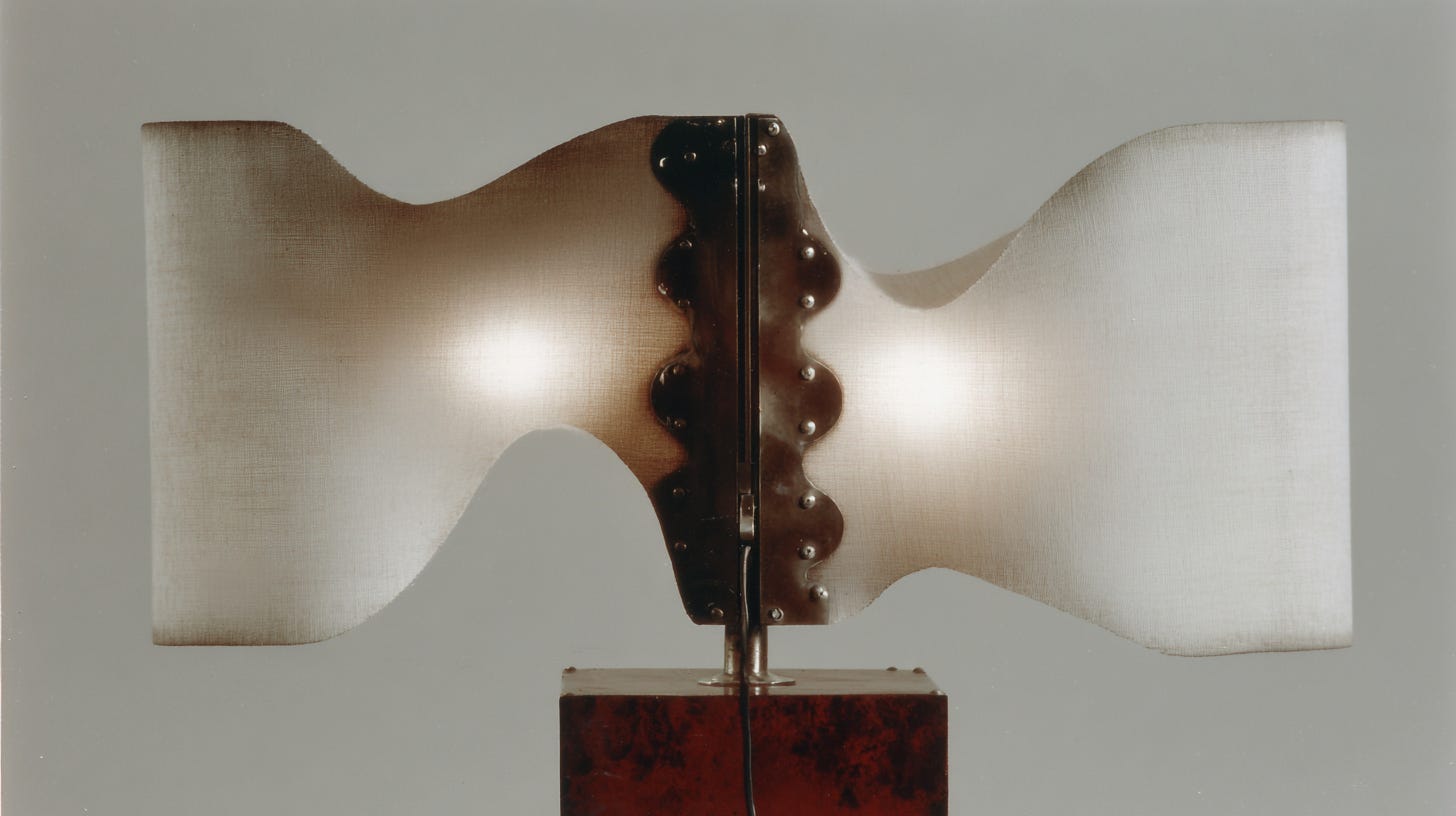
The theoretical gesture here resists AI’s dominant logic of optimization. Instead of accelerating production, Toro instrumentalizes the medium’s productive failure—its tendency to generate forms that solicit recognition without delivering function. These images don’t illustrate concepts; they perform a kind of cognitive friction, slowing the viewer’s interpretive reflex, demanding sustained attention to surfaces that promise meaning without quite delivering it.



Currently pursuing her Master in Applied AI for Arts and Design at Elisava, Toro positions this work within larger questions about technological perception and creative agency; treating AI not as transparent tool but as site of resistance, where the collapse of clear authorship becomes itself a critical position.
Jovan Stevanovic | @jvn_st
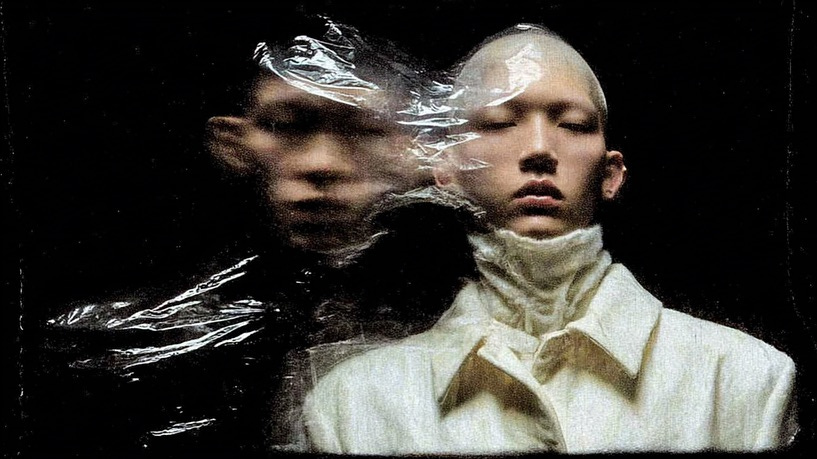
Stevanovic’s AI-generated portraiture occupies a peculiar zone where the hyperreal collapses into its own impossibility. These faces arrive with all the material indices of photographic presence; pore texture, light falloff, the micro-topography of skin; yet remain suspended in a state of ontological hesitation. They solicit recognition while withholding biographical specificity, performing what we might call a physiognomic anonymity.


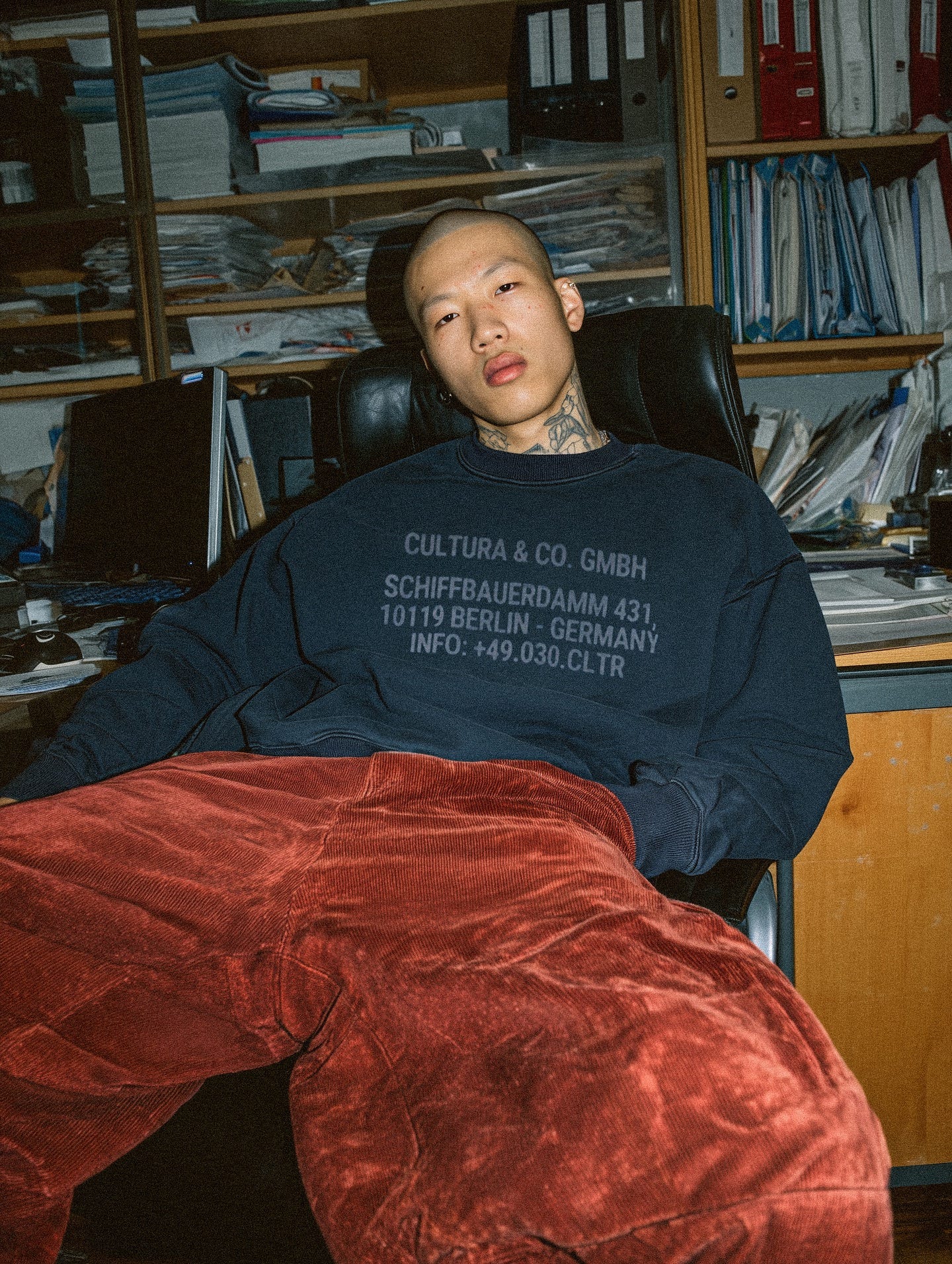
What distinguishes this work from mere technical demonstration is its engagement with the portrait as a site of computational inference rather than human encounter. The algorithm synthesizes not actual persons but the statistical distribution of personhood itself, rendering visible the normative regimes embedded in training datasets. Each face functions as a probabilistic composite, a synthetic average that paradoxically produces radical singularity.
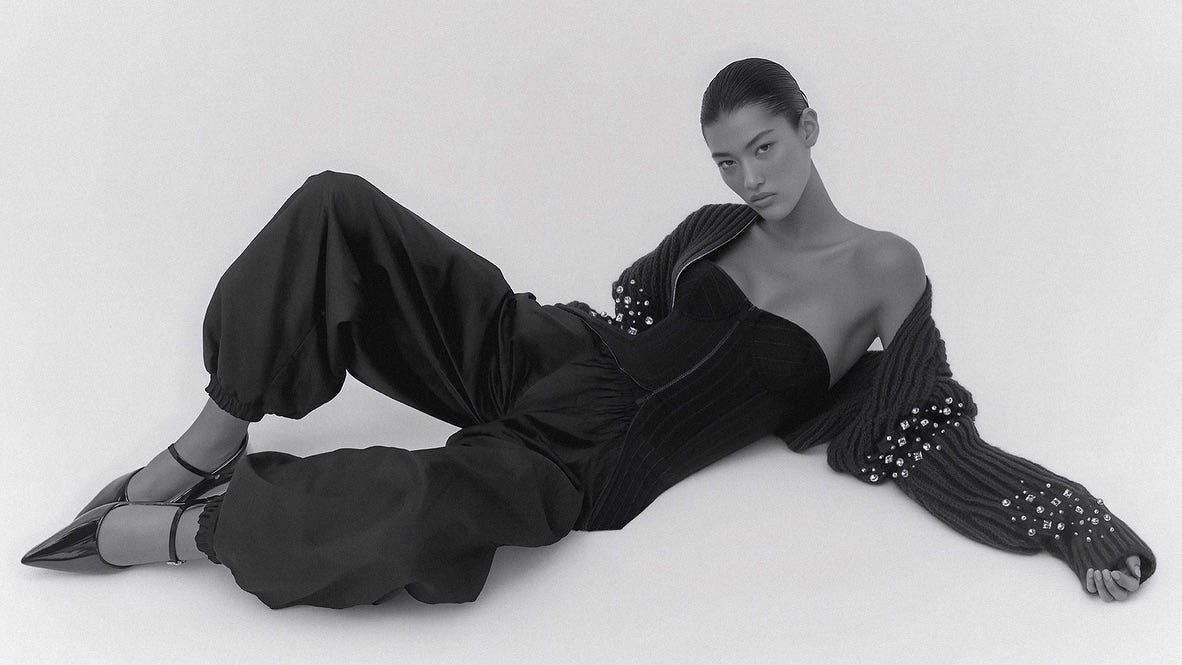
The work’s theoretical provocation lies in how it interrogates portraiture’s historical claim to capture psychological interiority. Here, interiority becomes impossible; there is no subject behind the image, only the recursive logic of pattern recognition. Yet the images retain an affective charge, a haunting quality that suggests these synthetic faces function less as representations than as specters of the demographic, materializing the abstract categories through which contemporary image systems organize human difference into calculable form.
WHAT’S NEW
Creative AI Explosion — Mid-December Breakthroughs
A wave of AI tools dropped las week, pushing multimodal creative generation forward. OpenAI’s GPT-Image 1.5 debuted with sharper image fidelity and stronger prompt adherence, making it a real studio-ready visual tool. New releases like Kling 2.6 add built-in synchronized audio to video creation, and ByteDance’s Seedance 1.5/1.5 Pro blend audio and visuals with natural lip sync. Other launches included text-to-video and open-source model advances, signaling a shift toward unified pipelines that handle visuals, motion, and sound for creators and filmmakers
Adobe + Runway: Supercharged Video AI in Creative Cloud
Adobe and Runway announced a multi-year partnership bringing Runway’s Gen-4.5 generative video tech directly into Adobe Firefly and Creative Cloud workflows. Gen-4.5 boosts motion quality, temporal consistency, and prompt control, letting creators generate complex scenes from text and refine them across Firefly, Premiere, and After Effects. Early access for Firefly users means storytellers can now mix generative video with professional grading and editing tools, marking a deeper integration of AI into creative workflows for brands and filmmakers.
Meta’s Next AI Push: Mango & Avocado Models
Meta is building two next-generation AI models set for release in the first half of 2026. Mango targets high-fidelity image and video generation to compete with rivals like OpenAI and Google, while Avocado focuses on advanced reasoning and coding capabilities. Both are being developed within Meta’s new Superintelligence Labs under AI chief Alexandr Wang, reflecting Meta’s broader strategy to strengthen its place in the rapidly evolving generative AI landscape.
KEY VISUAL
Egor Lebedev | @egorllebedev
This week’s key visual is drawn from “backrooms”, a video that unfolds like a suspended malfunction inside a system built for efficiency. Egor Lebedev places the body within an anonymous transit architecture; metallic panels, fluorescent light, repeating surfaces; an environment designed for movement, not reflection. It is a space that feels permanent yet temporary, precise yet indifferent.
Within it, the figure resists seamless circulation. Movements are abrupt, defensive, sometimes involuntary: standing rigid, collapsing to the floor, recoiling against walls that seem to press back. At moments, the architecture itself appears to fracture or multiply, turning infrastructure into a psychological mechanism. The choreography feels industrial; sharp geometry and mirrored symmetry colliding with flesh, breath, and imbalance.
Costume operates as constraint. Corseted lines and tight silhouettes suggest control, while small gestures; hair whipping, knees folding, hands gripping the ground; reintroduce vulnerability and friction. The camera alternates between distance and intrusion, never offering comfort or narrative resolution.
Backrooms doesn’t explain its logic. It loops. It pressures. It situates the viewer inside a tension between agency and system, presence and erasure. A body caught in transit. A pause inside a machine that refuses to stop.
That’s all for now — we’ll be back in your inbox next week.