
THE CURATED LOG XXXV
By MITO Universe - @mito.universe

Welcome back to MITO Universe.
This week, the landscape of AI creation feels tectonic. A new multimodal video engine promises cinema from a single prompt, collapsing storyboard, sound design, and camera movement into one generative gesture. In Berlin, an installation transforms AI into existential choreography; flesh dissolving into code inside a cavernous void. In fashion, experimentation hardens into infrastructure, as luxury brands and institutions weave algorithms into their structural fabric.
Against this backdrop, our selected creators move differently. One fractures the polished surface until beauty destabilizes. Another lets digital flora hover between emptiness and computation. Across practices, the question persists: when systems evolve, how does authorship remain human?
SELECTED CREATORS
The MITO Universe grows through the people who give it form. Each week, we spotlight a creator working with AI as a deliberate, authored practice. If you’re shaping worlds, systems, or a distinct visual language, this is where it belongs. Become part of the community and start building your own MITO Universe account.
MITO UNIVERSE CREATIVE SPOTLIGHT: Noelia Carballo | @noeliacarballo
Noelia Carballo refuses decoration. After fifteen years immersed in fashion photography and art direction, she approaches generative AI not as a tool for refinement, but as a site of deliberate disruption; a space where aesthetic coherence is something to be tested, fractured, and remade. Her practice doesn’t seek to stabilize the image but to push it toward instability, to locate the threshold where visual language breaks down and something else; unexpected and uncomfortable, emerges.
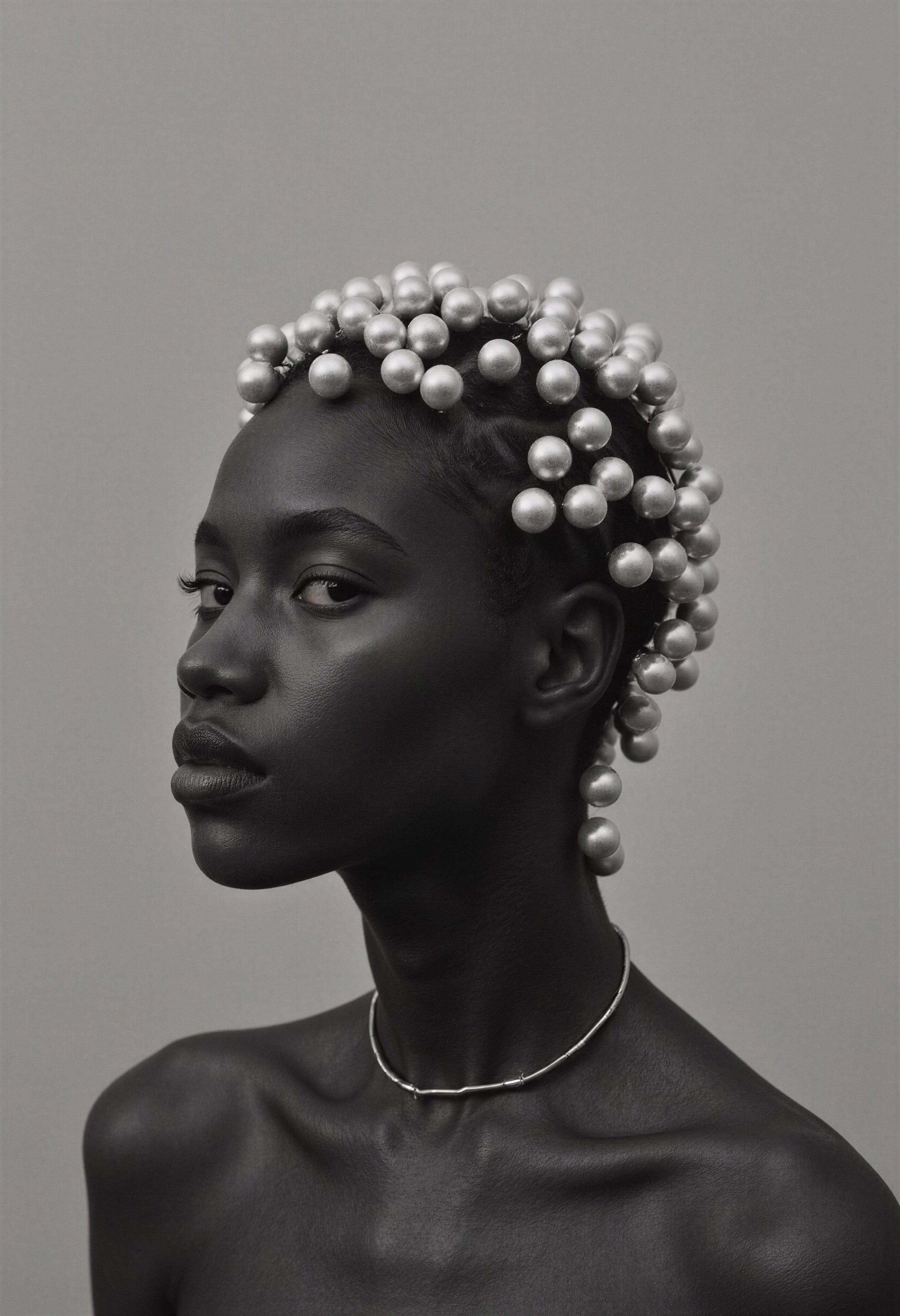


The work resists the smooth surfaces that generative systems so readily produce. What appears across these images is a sustained engagement with the body as contested material: adorned, obscured, abstracted. Pearls become sculptural halos, fabric warps into geometric armor, organic forms collide with synthetic gesture. There’s a volatility here—an insistence on strangeness over legibility. Carballo is working through the tensions between control and surprise, authorship and algorithm, beauty and its deliberate undoing.
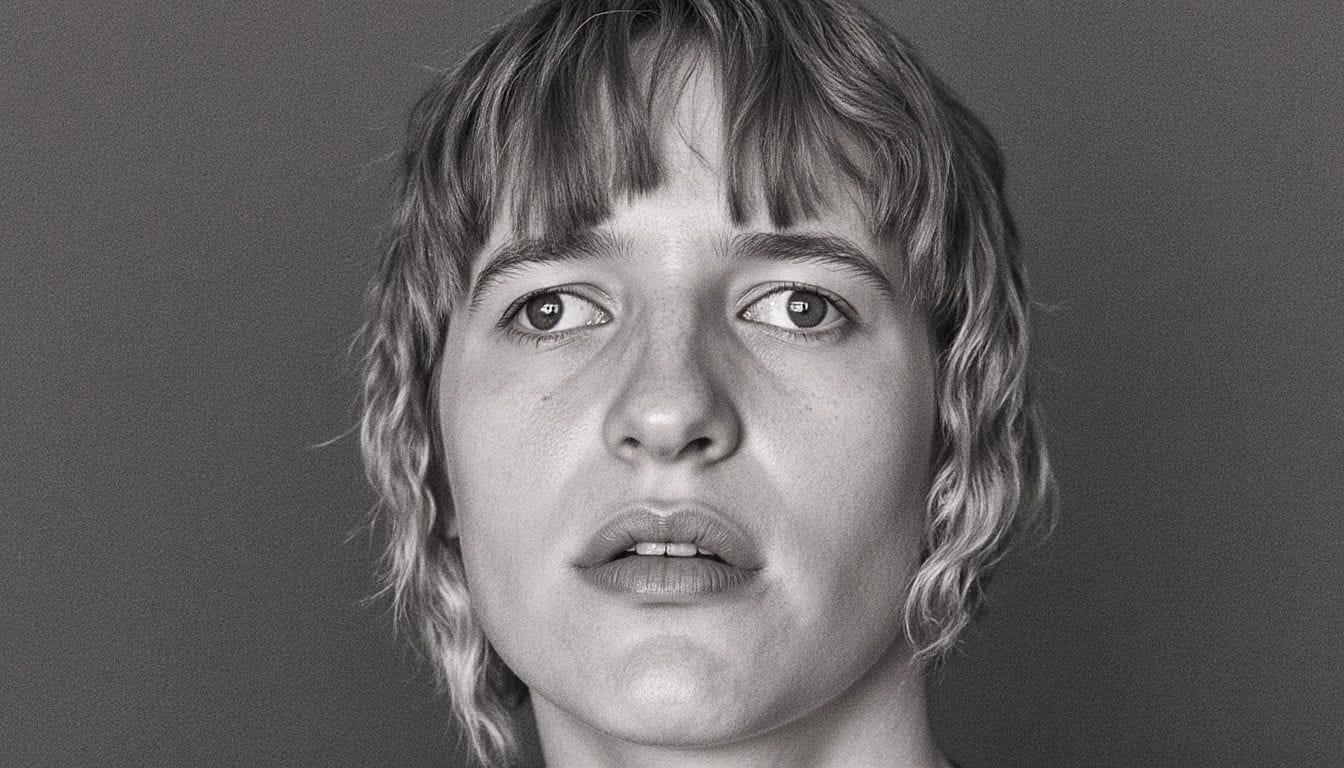
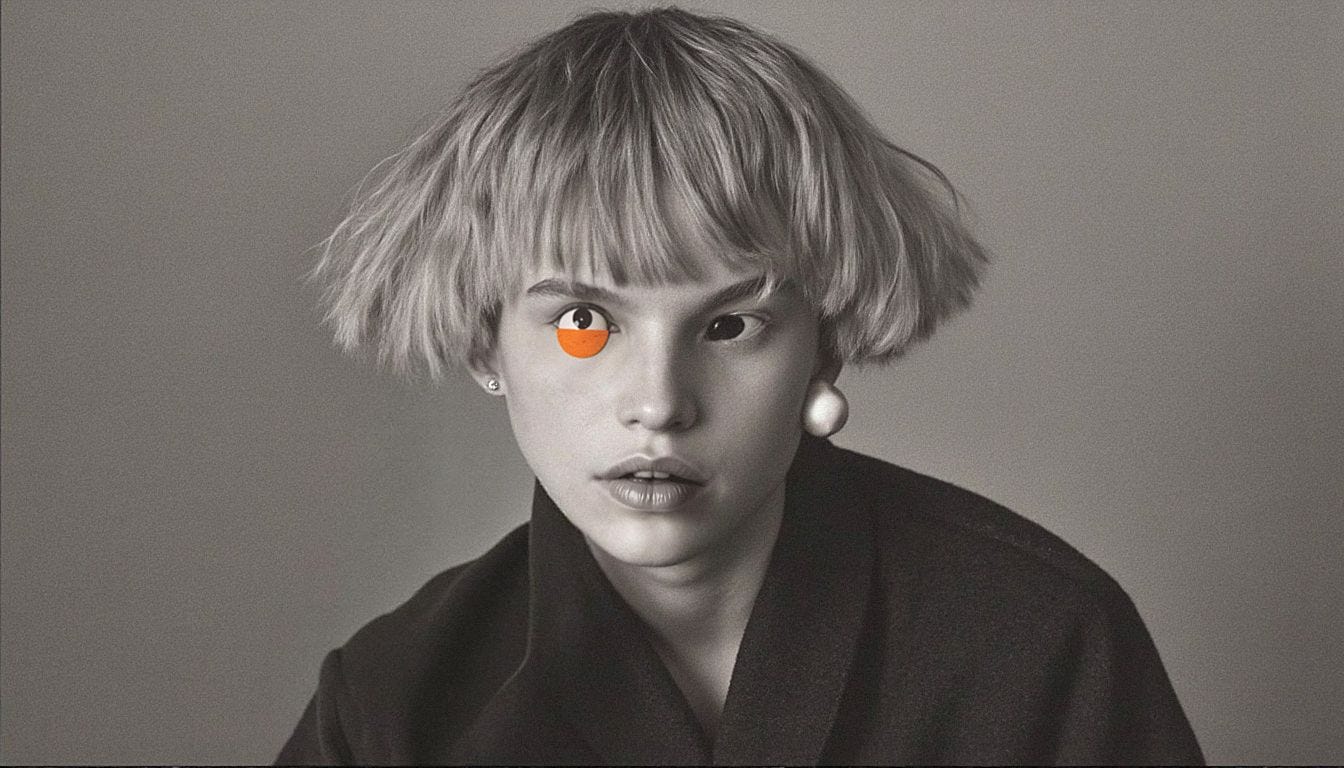
This is not experimentation for its own sake. It’s a refusal of the decorative impulse that haunts so much AI-generated imagery. Where others polish, Carballo destabilizes. Where others curate toward consensus, she leans into dissonance. The project is fundamentally restless—committed to play, discomfort, and the generative potential of breaking rules that haven’t yet solidified.
Jang Yeonjeong | @forside_art
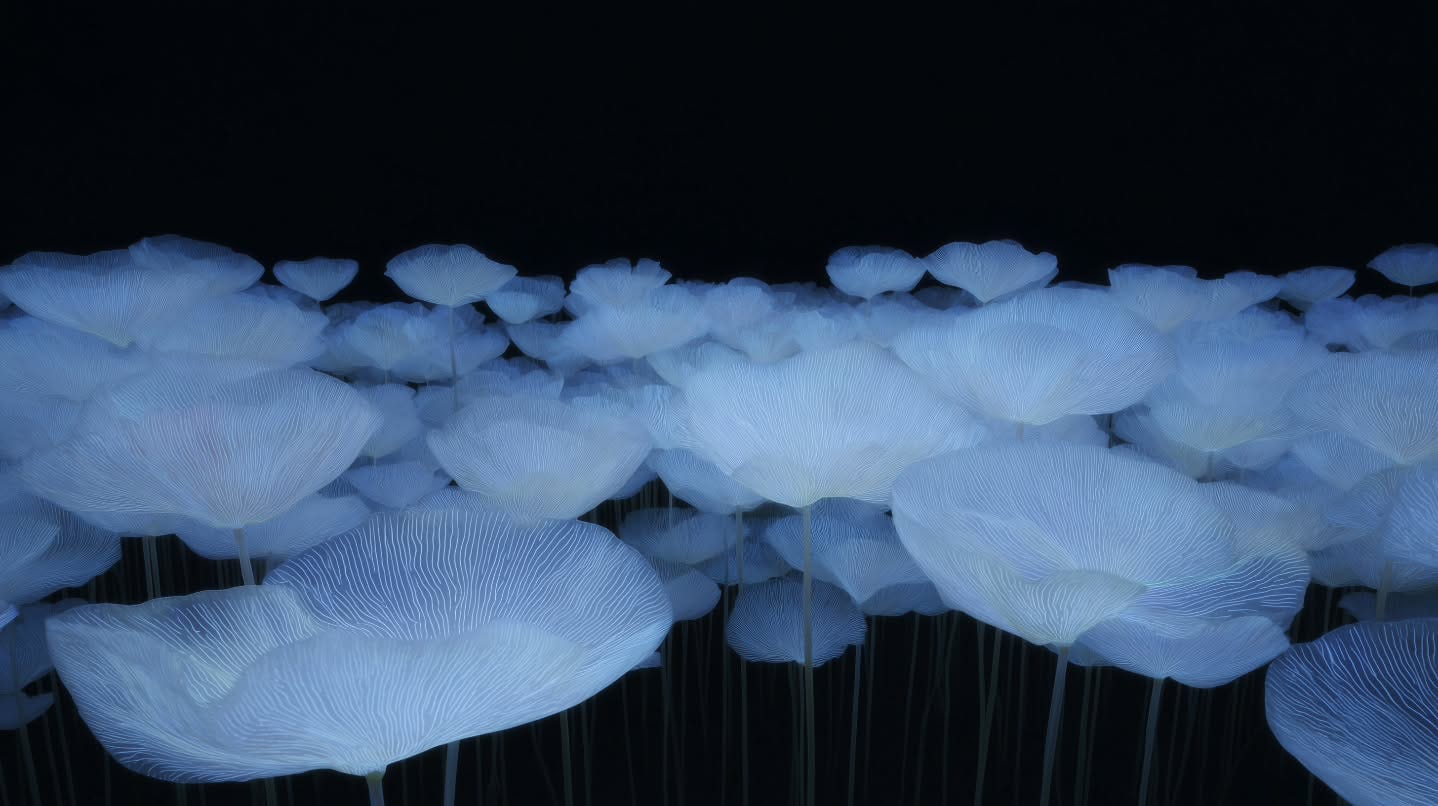
In the work of Jang Yeonjeong, botanical forms dissolve into luminous fields where figuration becomes a question rather than an answer. Her AI-generated flora; rendered with wireframe precision against void-like backgrounds; exist at the threshold where the digital sublime meets Korean aesthetic traditions of yohbaek (餘白), the pregnant emptiness that structures classical painting. But these are not nostalgic gestures. The algorithmic rendering exposes light as texture, as fibrous matter rather than metaphysical presence. What appears ethereal reveals itself as constructed; each petal a mesh of iterative calculations.


Since beginning her practice with generative tools in November 2024, Jang has positioned AI not as neutral instrument but as collaborator in phenomenological inquiry. The flowers she generates; spectral blues, translucent pinks, submerged greens; hover between biological memory and computational hallucination. They are neither natural nor entirely synthetic. This ontological ambiguity is the work’s conceptual core: can emotion genuinely pass between human consciousness and machine logic, or does the interface itself constitute a new affective territory?

Her doctoral training in Fine Arts anchors what could easily become decorative into sustained philosophical investigation. The images propose that the digital sublime is not transcendence but immersion; a breathing space where absence generates possibility.
WHAT’S NEW
Seedance 2.0 Enters the Arena: coming soon to MITO AI
ByteDance has unveiled Seedance 2.0, a next-generation AI video model supporting multimodal prompts — combining text, images, video, and audio in a single workflow. The tool generates up to 15-second clips with synchronized sound, advanced motion control, and storyboard referencing. Users can refine prompts using up to nine images and multiple media inputs, enabling complex, physics-aware scenes. Positioned against OpenAI’s Sora 2, Google’s Veo 3, and Runway’s latest model, Seedance 2.0 signals an intensifying race toward hyperreal, production-ready AI cinema; and it’s coming soon to MITO AI.
Check out our latest creation; all of these mini clips were generated from a single prompt with Seedance 2.0.
Pierre Huyghe’s “Liminals”: When AI Becomes Existential Horror
At Halle am Berghain in Berlin, Pierre Huyghe debuts Liminals, a haunting AI-driven installation that dissolves the boundary between flesh and code. The 50-minute looping film features a faceless humanoid figure struggling within a digitally constructed void; movements generated through AI trained on human performers. Organized by LAS Art Foundation, the work transforms the nightclub’s cavernous space into an immersive cathedral of dread. Rather than celebrating AI spectacle, Huyghe uses it to confront alienation, subjectivity, and existential collapse; crafting one of the most unsettling artworks of 2026.
Fashion’s AI Inflection Point: Gucci & CFDA Push Luxury Into the Algorithm
The latest Vogue Business AI Tracker highlights two major shifts in fashion’s AI adoption. Gucci launches Snapchat’s first sponsored AI lens, allowing users to embody avatars from Demna’s La Famiglia collection; a bold experiment in consumer-facing generative fashion. Meanwhile, the CFDA announces a two-year partnership with OpenAI, pairing designers with AI experts to build practical tools across design, sustainability, and business operations. As luxury grapples with AI’s creative standards, these moves mark a structural turning point: experimentation is becoming infrastructure.
KEY VISUAL
Anastasiia Vart | @anastasiia.vart
The sequence begins with ornament, ends with organism. Between these poles; silver cuff bearing its heart charm, rose transfixed by glass pipette, amaryllis in states of collapse, pearls assembled into devotional geometries, then finally the bonsai with its glass flowers and suspended heart; Vart constructs what we might call a computational rosary, each frame a station in an algorithmic passion play.
The text fragments (”love is,” “when one thing,” “becomes everything”) arrive as incomplete syntax, semantic scaffolding awaiting the viewer’s projective completion. This incompletion matters. Where earlier romantic traditions invested in plenitude; the overflowing heart, the excessive gesture; Vart’s AI-generated surfaces produce sentiment through database logic: discrete units, recombinant possibilities, affective tokens awaiting assembly.
Here is desire under laboratory conditions, emotion as extractable essence. Yet the final image; the bonsai, that most cultivated of natural forms, adorned with synthetic blooms; refuses the clinical distance such transparency might promise. The tree has been trained, wired, constrained into aesthetic form over years. Its roots bound, its growth redirected through patient violence. Upon this achievement of horticultural discipline, Vart places her glass flowers, her charm-heart suspended like fruit that will never ripen.
What circulates here is neither nature nor its digital negation, but their achieved indistinction: sentiment as style, devotion as dataset, love rendered through the patient accumulation of signifying objects; each awaiting its algorithmic redistribution.
That’s all for now — we’ll be back in your inbox next week.